

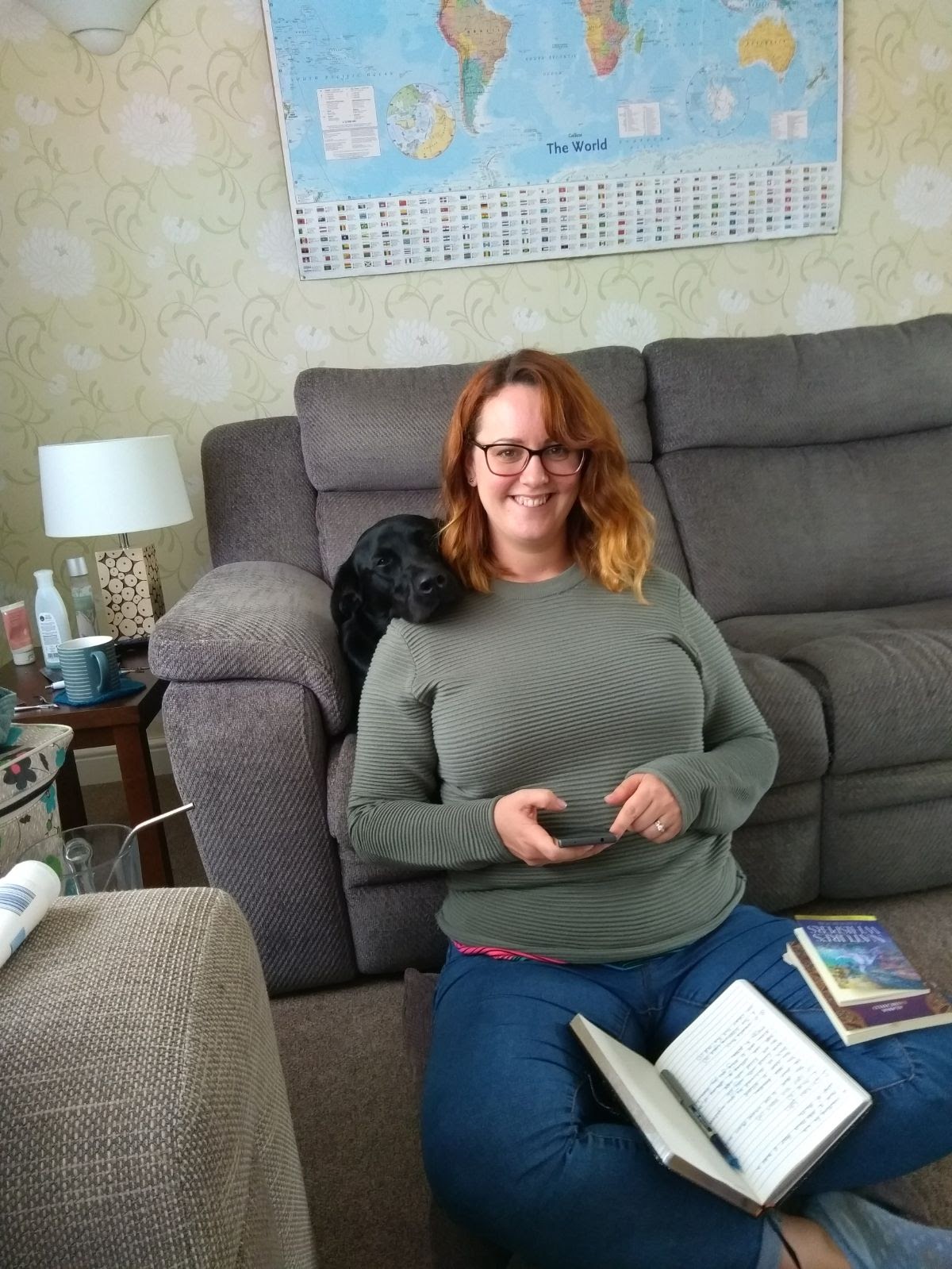
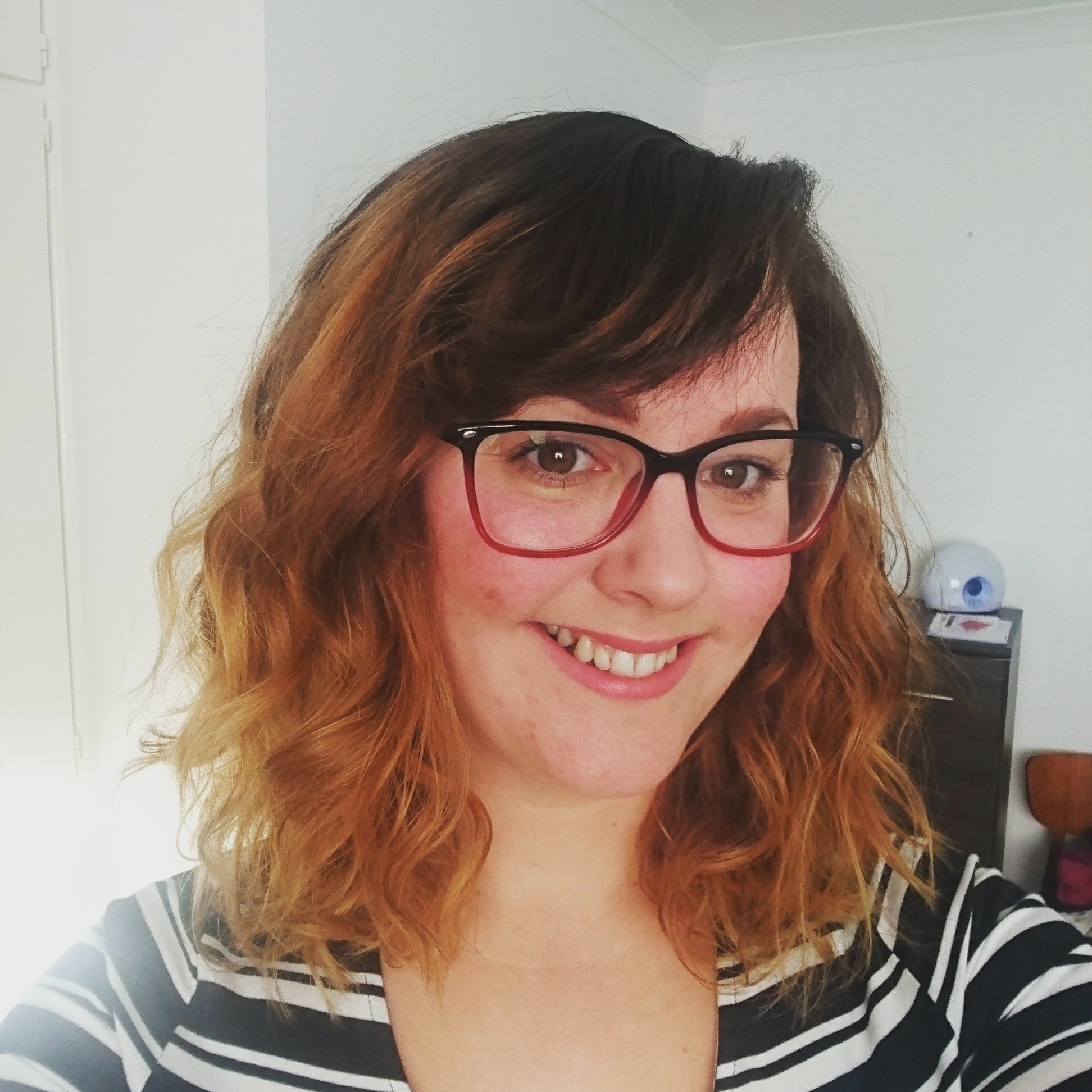
For this weeks #SelfCareDiaries post, say hello to Ruth Newton. I’ve been following Ruth on Instagram for a while now and really love her courage for stepping away from her coaching business, which at the time wasn’t working for her due to ill health. Instead, she took some time away from the daily grind of trying to make things work and reflected on her why and how to make her life and her business work for her.
The result of some time away was the launch of the Anti-Hustle Project, a community for the self-employed to feel less overwhelmed and design a life they love – something that I’m definitely on board with. As you will see from Ruth’s responses to my questions, she is full of so much passion, perception, and experience and puts a different spin on how to grow a successful business compared to the norm, which I wholeheartedly agree with.
What does self-care mean to you?
Self-care has changed a lot for me recently. Until February 2018 I had a coaching business which I closed down due to a relapse of a chronic illness. Part of that process included realising/admitting I’d not really been looking after myself. Which was hard, as I thought I was really good with my self-care. I’d go for massages and take time off work to rest. I’d love an afternoon on the sofa watching Netflix!
I realised I was only doing the nice half of self-care. The bits that feel indulgent and act as nice rewards for my “busy” life. I wasn’t doing the bits of self-care that felt hard. The ones that took a bit more commitment and motivation to stick to. I wasn’t taking care to eat in a way that supported my body, to move regularly or take screen breaks from my computer. And then there was the mental health element of checking in with how I was feeling, asking myself whether I was doing the things I wanted to do and if I was fully communicating these things with the important people in my life.
Now self-care has changed to include those things as well. It means participating in the regular practices that keep my body and mind healthy enough to engage in the kind of life I want to live. Sometimes that means dragging myself to the gym even though I’d rather indulge in a sofa-Netflix marathon. Or putting my laptop down even though there are still work activities on my to-do list. Or calling a close friend when my introverted-hermit brain wants me to hide away from the outside world.
Do you have any self-care rituals/practices that really anchor your day?
Honestly, I don’t! All my days look so different due to the work my husband and I do. We have a weekly planning practice, though, which definitely anchors the week. Every Sunday we sit down together and update a whiteboard with where we’re working (location and client), who’s walking the dog when, what other appointments we have in the diary, which days we’re going to be exercising, who will be cooking and what meals we’ll be making.
From there we can see if there are any conflicts of appointments, what food we need to buy and which days look busy. We always check in that there is enough space for rest, socialising and our relationship, as these are all hugely important aspects of our self-care. After that’s done I know that, for each day of the week, all the information I need is on the board.
What does your morning routine look like?
When wrapped up in hustle culture I got obsessed with having an “effective” morning routine. I spent so much time reading about all the things you were meant to do to start your day right. I compiled a list of things I needed to do every day including meditation, journaling, and affirmations. I basically set myself up for failure!
That rigid morning routine was one of the things I started deconstructing when I stepped away from hustle culture. I spent time connecting to what I wanted and needed and how I work as a person. And what I wanted was more flexibility! I also recognised my need for some consistency as well though. Otherwise, I could easily see myself sleeping in every day and getting all out of sorts!
I embraced that need for consistency through my alarm time. My husband and I defy conventional advice though and snooze after the alarm goes off! We snooze for 20 minutes every day. We use the time to cuddle and I believe the positive benefits of daily cuddles with my husband far outweighs the supposed negative consequences of snoozing!
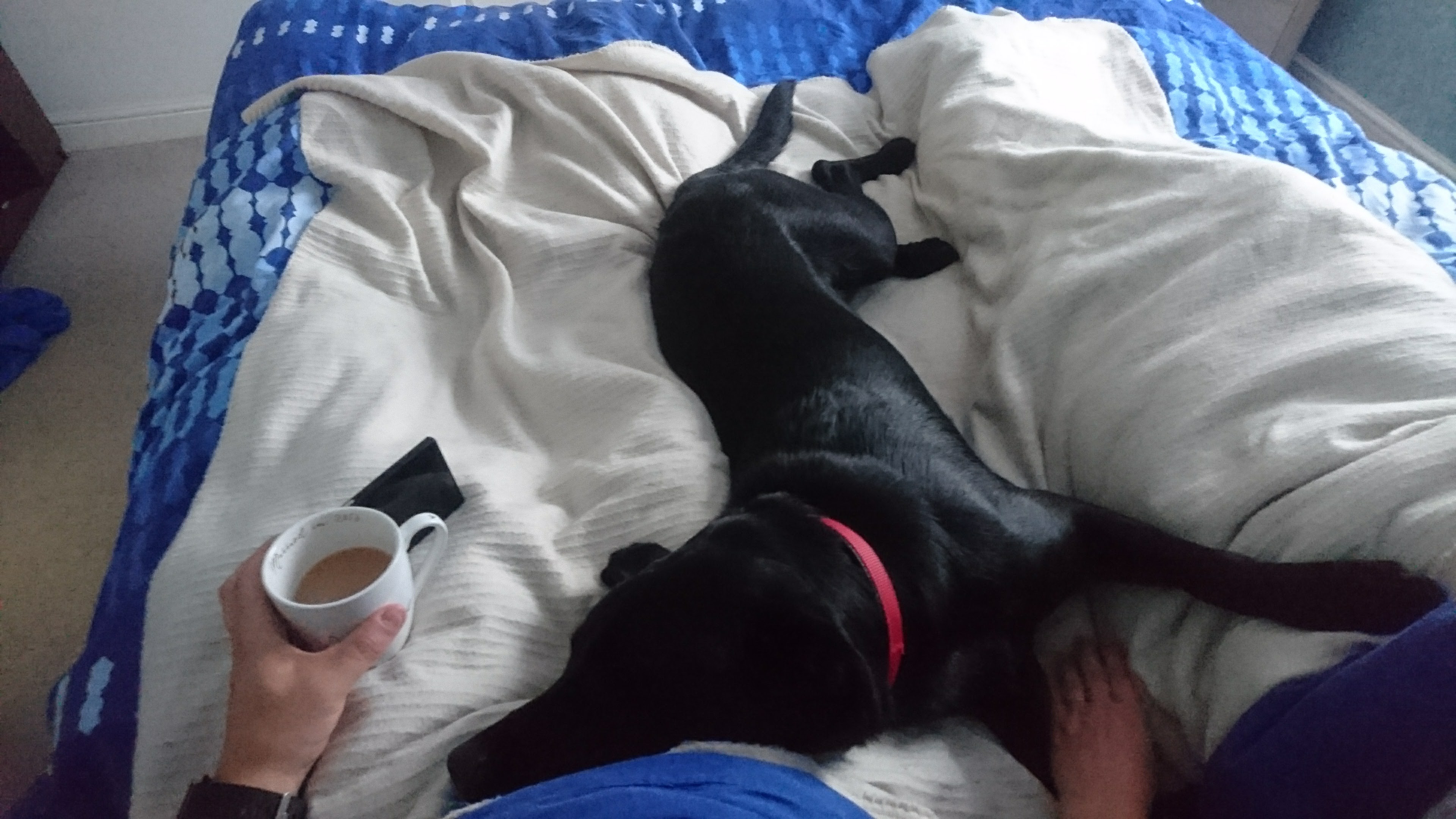
Once our snooze is over we get up, get the dog and then have a cup of tea in bed. This is the time I then get to be flexible with. During this time, I usually either read a book, create content for my business, do some journaling or simply cuddle the dog. It all depends on my energy levels on the day. Once the cup of tea is finished we get out of bed and get ready for the day ahead. And that’s all my morning routine is now!
How do you make time for self-care?
Being self-employed I am in a very fortunate position that I’ve been able to shape my week to give me plenty of space and time for self-care. I’ve always valued the importance of making time for myself, even before I started my business. My highly-sensitive, introverted nature requires it. I don’t work Fridays, so always have that extra day to fit anything in I need.
But time aside, the weekly planning I do is my first line of defense for fitting self-care in. It allows me to zoom out at the week ahead so I can see where it’s busy, where there’s space to do more self-care and if any of my needs aren’t being met.
During a challenging point in your life what key things got you through?
I think there have been two things that have got me through the relapse of my chronic illness, definitely one of the most challenging points in my life so far! The first one was identifying my support network and the second was getting to know myself again.
In the past I’ve struggled so much with letting people know when I’m not ok. I always thought I had to put the ‘doing ok’ face on for everyone and deal with my problems by myself. This time around I realised it was vital I shared what was going on with the important people in my life.
My husband and closest friends have been so supportive and helpful. They made me realise how ridiculous it is to believe that you need to deal with your challenges alone. It’s really important to identify who’s going to support you and who’s going to make you feel bad about the challenge your facing. Then only ask the ones who will support you to do just that! We all need people to champion us when we’re really struggling to do it for ourselves, and the right support network will do that.
My support network also included getting professional help. We can put so much pressure on ourselves to sort these things out by ourselves but we don’t need to. Trying to go it alone is such a nonsensical belief! I’ve had counselling and got myself a business coach, both of which have really helped me focus on what I need. I’ll always advocate getting professional help during challenging times, as it gives you someone in your corner who is 100% on your side. Even though friends and family can be incredible, they can’t be 100% on your side all the time, as they have their own needs and fears, which will always come into it because they love you. A professional, however, puts their needs aside to allow you to be fully focused on yours.
Having that time to fully focus on your needs is vital for the second thing that is getting me through my relapse – exploring and knowing myself. Part of the reason I had the relapse of the illness was that I’d lost touch with who I was, what I needed and how I functioned best. I spent too long at looking at what other people were doing and trying to emulate that.
Once I stepped away from the noise and connected back to myself I was much better able to practice the self-care that actually worked for me, rather than the self-care I felt I “should” be doing. A great example of this is realising I need a lot of downtime; time where I wasn’t required to do anything. Now, if I have busy weeks, I schedule in quiet weekends which give me the space to do as much or as little as possible. Before, I would see every moment of every day as a moment to have something scheduled in, after all that was the key to productivity and success, right?
What’s in your self-care toolkit? Which items bring you most comfort?
I enjoy a lot of the typical self-care things, such as playing music, reading, chatting with friends, baking and cooking, and journaling. But anything that includes physical touch is the thing that gives me the most comfort. It’s my main Love Language so it’s not really that surprising! This includes massages, facials, having my hair done and cuddling my husband or dog. I also love baths and simply being in bed, which I think both have a physical touch element – the warm water and being under the duvet both have kinaesthetic elements.
What quote really resonates with you and why?
None, I’m not really a quotes person!
What are you currently working on? Anything that you would like to share?
In terms of self-care my main area of focus currently is exploring how I really want my life to look and unpicking the patterns and beliefs that stop me from achieving that. In my definition I mention self-care being regular practices that keep me healthy enough to engage in the kind of life I want. It’s hard to know if I’m doing that if I’m not clear on what type of life I want to live!
When sucked into hustle-culture I ended up sacrificing many things, such as exercise and rest time, believing that my business needed to be the primary focus until it was ‘successful.’ Then, when I wasn’t doing that, I was trying to do all the things a good wife/daughter/friend does, such as look after the house, regularly call the family, keep on top of social events etc. There were so many ways I believed I had to behave and they took up all my time. So, when I did have time for self-care I would only engage in the nice bits because I believed I deserved it because I was so busy.
The problem with being busy doing all the things you think you should be doing is that you never actually have the time to do the things you really want or need. And you can go through life feeling you’re doing everything right but then be derailed so easily when one thing goes wrong and not understand why it throws you so much. It throws you because you’re not being authentic to what you want. Looking back, I can see this pattern happened a number of times, but I ignored it until I got ill again. Getting ill again really forced me to stop and check in with myself, and whether I was living the kind of life I really wanted to and if I was even well enough to do so. And this is definitely still a work in progress.
You can find out more about Ruth by following her on Instagram, Facebook or by checking out her website at www.antihustle.co.uk.
Thanks so much, Ruth! I hope you loved this weeks #SelfCareDiaries post, you can check out last week’s edition with Jennifer Cockcroft here.



Thank you for posts like these- I’ve been following you (especially on Instagram) and your self-care posts always remind me to take a moment for myself. Or a couple of moments. In fact, for the first time I scheduled a SUNDAY massage to get me back into gear after week one of having a new baby at home. Thank you for keeping this at the forefront of my mind and reminding your readers to take this time for themselves.
Self-care is one of those things that I think we, especially as women, slack on. For some reason, we see it as selfish because we’ve been raised and taught to be SELF-LESS. It took me years to realize that I couldn’t pour from an empty cup and I am not lying to you when I tell you I need to indulge in much more self-care than I do already. And I totally agree with what you’ve said here: we all need a champion, no doubt about it. Thanks so much for being so transparent about your experience and for helping me to be mindful of the fact that I need to take care of me!
Wow, great article about self-care. It is really a personal vision of what self care is, because even though I can clearly see Ruth has taken steps to focus on her self-care, she still seems far more busy than I would want to be if I was looking to improve my self-care. She has a beautiful balance, and said many things that I can take with me on my adventures. Loved this article, thanks!
Honestly, I just love how Ruth was able to walk away from her business to focus on herself. I find that we get so committed to things even when they’re part of what’s hurting us. Self-care is so important, we need it every single day. Thanks for inspiring us to make time for it.
Really interesting I think the idea of people focusing on the easy parts of self care are so true – but it’s important to also do the things that are more difficult
I honestly think stress is killing all of us; I do my best to eliminate as much of it as possible from my life. Whether it’s personal relationships or work projects, if it doesn’t put a smile on my face, I STAY AWAY!
Self-care is so important and I think it’s something we can all be better at! Love the idea of the whiteboard Sunday ritual you do, I want to start doing that!
This post has given me food for thought. We need to pay attention to our self care and not be busy all the time. Taking care of ourselves is important.
I’m all about the self care! If you aren’t taking care of yourself, how can you take care of others? Self care is a must