
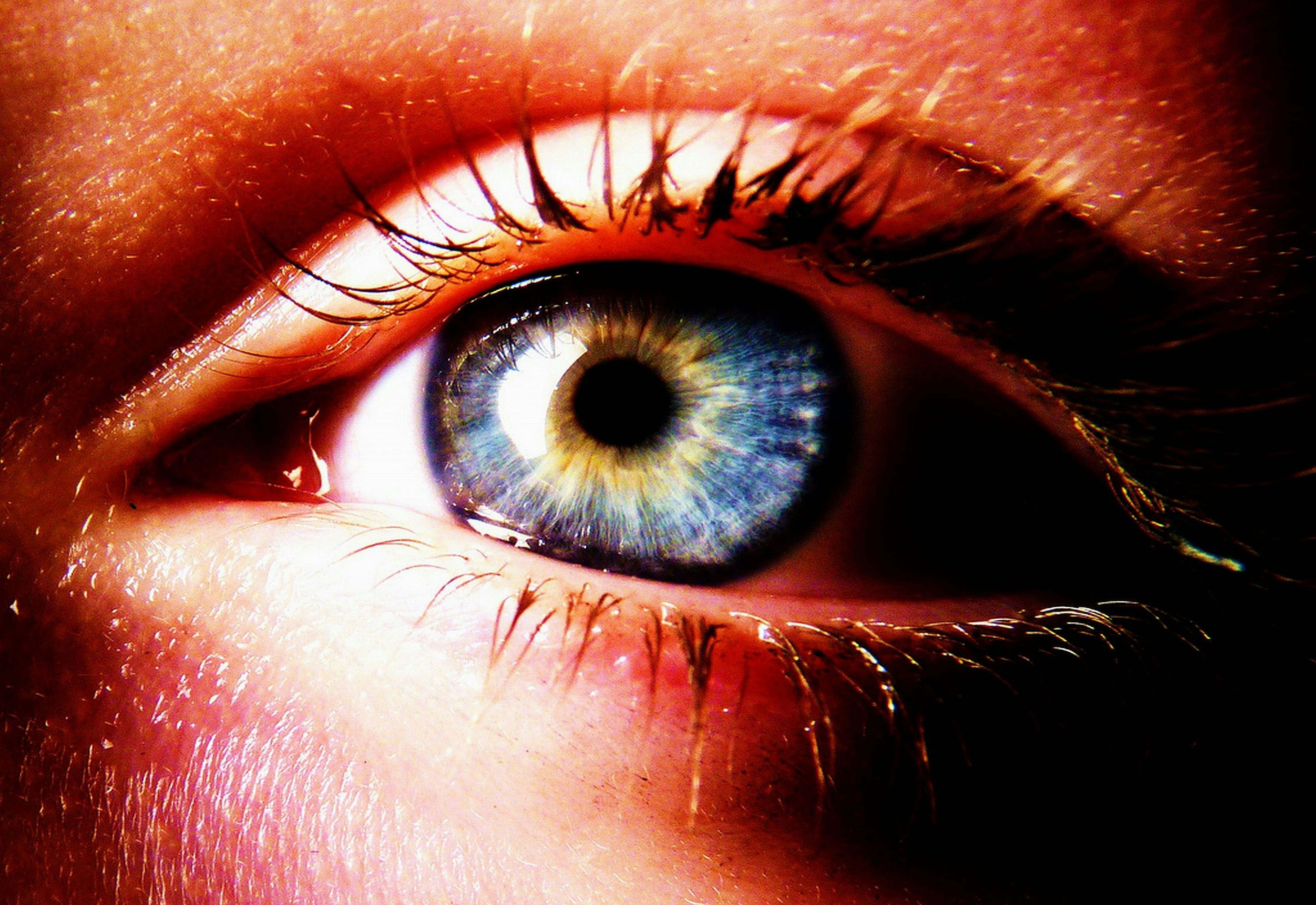
The Importance of Paying Attention to Your Eyesight: Key Signals to Recognize
Recognizing changes in your eyesight can help you detect conditions early, allowing for timely intervention and treatment. For instance, sudden changes in vision may indicate more severe health issues, such as diabetes or high blood pressure. Monitoring your visual perception can reveal much about your body’s internal state, with attention playing a crucial role in what you perceive and how you respond.
Similarly, ensuring you’re aware of your visual health helps you better interact and respond to your environment. Understanding the importance of visual attention and the factors influencing perception is vital. Such awareness enhances decision-making processes, whether in everyday life or specific situations like driving or working. Taking these signals seriously can lead to improved health outcomes and a better quality of life.
Understanding Vision Health
Vision health is crucial for maintaining quality of life, as it directly impacts daily activities and can signal underlying health conditions. By grasping the anatomy of the eye, recognizing common eye conditions, and being aware of the various signals and symptoms, you can better manage your vision health effectively.
Anatomy of the Eye
The human eye is a complex organ composed of several key components. The cornea is the transparent front part that refracts light. Behind it is the aqueous humor, a clear fluid maintaining intraocular pressure. The colored part of your eye, the iris, regulates the amount of light entering the pupil.
The lens focuses light onto the retina. The retina contains photoreceptor cells that convert light into electrical signals. These signals travel through the optic nerve to the brain, where visual information is processed. Understanding these components helps in identifying how conditions can affect vision.
Common Eye Conditions
Several conditions can commonly affect vision. Myopia, or nearsightedness, occurs when distant objects appear blurry while close ones remain clear. Hyperopia, or farsightedness, has the opposite effect, causing close objects to appear blurry. Astigmatism leads to distorted vision due to an irregularly shaped cornea or lens.
Age-related macular degeneration affects central vision, while cataracts cause clouding of the lens. Glaucoma is characterized by increased pressure in the eye that can damage the optic nerve. Identifying and addressing these issues early with regular eye exams is essential for maintaining vision health. Learn more from CDC Vision and Eye Health.
Signals and Symptoms
Vision issues often manifest with specific signals. Blurry vision, double vision, and difficulty in low light can indicate refractive errors or more serious conditions. Frequent eye strain and headaches should not be ignored, as these may signal underlying issues.
Eye redness, swelling, and discharge can signal infections or allergies. Changes in peripheral vision or seeing flashes of light could indicate retinal problems. Any persistent discomfort or changes in your vision should prompt a visit to an eye care professional for further evaluation. Regular monitoring of these symptoms can help maintain optimal eye health. Learn more about what your eyes say about your overall health.
Maintaining Optimal Eyesight
Ensuring that your eyesight remains clear and healthy requires dedication to regular check-ups, protective measures, and a lifestyle that supports eye health. These practices are essential for maintaining the ability of your eyes to effectively communicate signals about your surroundings.
Regular Eye Examinations
Regular eye examinations are vital for detecting vision changes and identifying potential eye conditions early. You should schedule an eye exam at least once every two years, or more frequently if advised by your healthcare provider. During these exams, optometrists can check for refractive errors and screen for diseases such as glaucoma or cataracts. Early detection often leads to more successful treatment and management of eye health conditions. Monitoring your vision regularly helps ensure appropriate measures are taken in case of any changes.
Protective Measures
Protecting your eyes from harmful environmental factors is crucial for maintaining optimal vision. UV rays from the sun are known to increase the risk of cataracts and macular degeneration. Wearing sunglasses that block 100% of UV rays can help safeguard your eyes when outdoors. Additionally, if you work with computers or digital devices for extended periods, taking regular breaks using the 20-20-20 rule—looking at something 20 feet away for 20 seconds every 20 minutes—can prevent digital eye strain. Using protective eyewear in environments where your eyes might be exposed to physical hazards is also essential.
Lifestyle and Diet
A healthy lifestyle contributes significantly to eye health. Consuming foods rich in omega-3 fatty acids, such as fish, and leafy greens high in lutein, ensures your diet supports vision health. Regular exercise improves blood circulation, aiding in oxygen supply to the eyes and removal of toxins. Staying hydrated keeps the eyes moist and comfortable, reducing the risk of dry eyes. Avoid smoking, as it increases the risk of eye diseases. Keep your eyes fit by adopting healthy habits and a balanced diet to support long-term vision health.
Professional Care and Treatment
In cases where vision problems persist despite preventive strategies, seeking professional care is vital. Consulting with an ophthalmologist can provide insights into more specialized treatments. For instance, some individuals may benefit from surgical procedures to correct refractive errors or remove cataracts. Refractive cataract surgery is a proven method for restoring clarity in vision for many patients. Following your eye care professional’s advice and pursuing recommended treatments ensure that you maintain the best possible eye health throughout your life.