
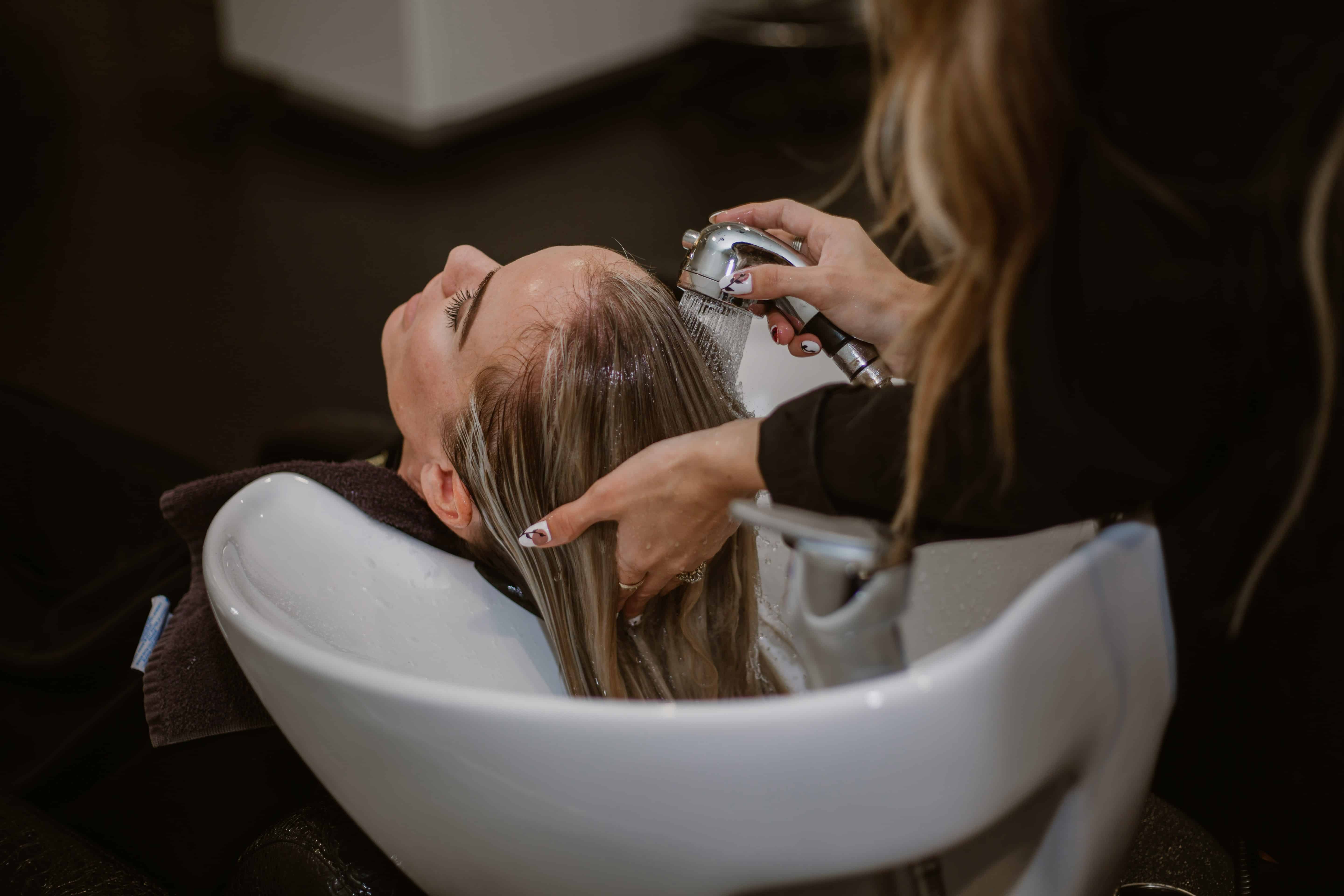
Best Hair Wellness Tips for Busy Moms in 2026
Hair care shouldn’t feel like a second job. Yet for most moms, it does.
Between school runs and meal prep and everything else, washing hair gets pushed to Sunday night. Salon appointments? Those vanished somewhere between the second trimester and that first sleepless year.
Here’s what’s changed in 2026: hair wellness finally caught up with real life. The industry stopped pretending everyone has two hours for elaborate routines. Thank goodness.
Why 2026 Is Different for Busy Moms
Low-maintenance techniques have completely reshaped what’s possible at home. Balayage, for instance, now stretches salon visits to every 4-6 weeks instead of monthly. The color grows out naturally, so those roots don’t scream for attention.
But the real shift goes deeper than color. Literally.
Scalp health took center stage this year. Turns out, most hair problems—shedding, thinning, that weird inflammation—start at the root. Stress doesn’t help. Neither does skipping care because there’s no time.
The good news? Quick fixes actually work now. Not the Pinterest-perfect kind that require 47 steps. Real solutions that fit into the margins of a packed schedule.
The 15-Minute Scalp Reset
Twice a week, that’s all it takes. A proper scalp routine beats any expensive shampoo.
Start with exfoliation. Dead skin and product buildup clog follicles just like they clog pores. A gentle scalp scrub (look for natural options with sugar or salt) clears that mess in about three minutes.
Then comes the massage. Not optional. Five minutes of firm circular motions with fingertips does two things: boosts blood flow to follicles and melts away the tension that’s been building since breakfast.
The microbiome angle matters here too. Hair wellness in 2026 treats scalps like skin—because they are. Balanced microbiomes mean less inflammation, less shedding, healthier growth. Products with prebiotics help, but the massage alone makes a difference.
Some moms add aromatherapy oils. Lavender or rosemary work well. The scent isn’t just nice; it’s a signal to the brain that this is self-care time, not another task to check off.
Skip the Wash (Seriously)
Over-washing does more damage than dirt ever could. The natural oils that scalps produce aren’t the enemy—they’re literally designed to protect hair.
Washing only when needed (not on a schedule) prevents stripping those oils. For most people, that’s 2-3 times per week max. Busy schedule? Perfect. Less washing means more time.
Dry shampoo bridges the gap between washes. The 2026 versions actually work without leaving that chalky residue. They absorb oil at the roots and add volume. A quick spray takes 30 seconds.
This approach aligns with how Tress Wellness thinks about at-home care—doing less, but doing it better. Professional results without the professional time commitment.
Food-Inspired Ingredients That Actually Work
The trend toward natural, food-based ingredients isn’t just aesthetic. These work because hair responds to the same nutrients we eat.
Honey acts as a humectant, pulling moisture from the air and locking it into strands. Especially helpful in dry winter months or air-conditioned offices.
Marula oil strengthens from the roots. High in antioxidants, it protects against environmental damage while moisturizing. A few drops go a long way.
Batana oil repairs damage and promotes growth. Used for generations in Central America, it’s finally getting mainstream attention for good reason.
Look for these in leave-in treatments or masks. Apply to damp hair, focus on ends and scalp, then let air dry while tackling other things. No heat styling required.
The Multitasking Product Strategy
Busy moms don’t need ten bottles. They need three good ones that do multiple jobs.
An all-in-one spray that hydrates, detangles, and protects eliminates steps. Spray on damp hair after washing, comb through, done. No separate detangler, no extra heat protectant, no layering five products.
Sulfate-free shampoo matters more than brand names. Sulfates strip natural oils and fade color faster. Switching to sulfate-free extends time between washes and protects any color treatments.
A good weekly mask does more than daily conditioner ever could. Ten minutes once a week (while helping with homework or folding laundry) beats five-minute daily conditioning. The hair absorbs deeper treatment better with slightly longer exposure.
Environmental Protection Nobody Talks About
UV rays, pollution, wind—all that outdoor stuff damages hair structure. Moms pushing strollers or coaching soccer don’t think about it until split ends appear.
UV-protectant sprays work like sunscreen for hair. Apply before heading out, reapply if outside all day. They prevent color fading and protein breakdown from sun exposure.
Pollution particles stick to hair and scalp, causing inflammation and dullness. A clarifying treatment once a month removes buildup that regular shampoo misses. This is especially important for urban areas.
Cold weather and heating systems create another challenge. The combination dries out hair faster than summer humidity. Extra moisture through leave-in products and masks counters seasonal damage.
What Experts Actually Recommend
Janell Stephens, CEO of Camille Rose, champions the “hair like skincare” approach. Treat strands with the same care as facial skin — brands like Laneige skincare have long championed this barrier-first philosophy for the face, and the same principles of hydration, protection, and prevention apply equally to your scalp and hair. That means barrier support, real-time adaptation to conditions, and prevention over correction.
Cornell McBride Jr. from Design Essentials pushes head spa rituals. The scalp detox and massage combination addresses problems before they become visible. Self-care prioritized over perfect styling.
Flora Fuentes at Unique Hair Concepts focuses on analysis before action. Understanding specific scalp conditions prevents wasted effort on wrong solutions. Exfoliation and targeted treatments beat generic products.
The common thread? Less manipulation, more prevention. Stop damaging hair while trying to fix it.
Making It Work in Real Life
Theory sounds great. Implementation is where most plans fall apart between breakfast and bedtime.
Sunday night works for many moms as deep treatment time. Kids in bed, a good mask on for twenty minutes, maybe a show in the background. Not exactly spa-level luxury, but it works.
Morning routines benefit from prep. Dry shampoo applied the night before absorbs oil overnight. Wake up with fresh-looking hair, no morning styling rush.
Keep products in the shower, not the bedroom. Out of sight means forgotten. Visible reminders increase consistency.
The investment isn’t huge. Quality scalp care, a good oil, protective spray, and multitasking products run less than a single salon visit. Home care extends professional treatments and catches problems early.
The Mental Health Connection
Stress shows up in hair before anywhere else for many women. Excess shedding, inflammation, changes in texture—all linked to elevated cortisol.
Scalp massage does double duty here. The physical benefits (blood flow, product absorption) combine with stress reduction. Taking even five minutes for intentional self-care interrupts the constant go-mode.
Aromatherapy amplifies this. The olfactory system connects directly to brain regions managing stress and emotion. Lavender or chamomile in scalp treatments creates a forced pause.
Some moms report that consistent hair care routines provide structure and control when everything else feels chaotic. Small wins count.
Looking Forward
Hair wellness in 2026 finally makes sense for real schedules. No pretending everyone has endless time and unlimited budgets.
The focus on scalp health, natural ingredients, and prevention means less damage control later. Spending fifteen minutes twice a week beats hours of corrective treatments.
Low-maintenance techniques like strategic color placement and reduced washing frequency align with busy lives instead of fighting them.
At-home care evolved beyond “good enough” into actually effective. Professional-grade results without the professional time or cost commitment.
For moms juggling everything, that’s not just convenient. It’s necessary.