
Self-Reliance Is Self-Care: Building a Personal Safety Kit
Below is a guide to creating a reliable safety kit that fits your life, not someone else’s assumptions.
Why Personal Safety Matters More Than Ever
Modern life creates unpredictable situations. Urban environments involve dense foot traffic, public transport delays, and occasional infrastructure failures. Rural settings present different challenges—distance, limited services, and slower emergency response times.
Self-reliance bridges that gap. A small kit with the right tools can reduce vulnerability and improve response time during everyday disruptions, minor injuries, or unexpected detours. It also offers emotional security. Preparedness reduces stress because you don’t feel helpless during uncertainty.
Statistics show the value of thinking ahead: the British Red Cross found that 61% of people do not feel confident providing first aid in emergencies. Preparedness increases both confidence and capability.
Your kit becomes a personal buffer—practical, calm, and dependable.
Start With a Clear Assessment of Your Lifestyle
Building a meaningful safety kit starts with examining your typical day. Look at your routines, travel patterns, and environments.
If you commute by train, disruptions and delays matter more than wilderness survival gear. If you spend long hours driving, vehicle-based safety tools take priority. If you walk frequently in busy areas, visibility, communication, and injury-prevention items matter.
A kit should be built around likelihood, not extremes. The goal isn’t to prepare for every rare scenario. It’s to cover the situations you’re actually exposed to.
Choose Tools That Deliver Practical Value
A personal safety kit works best when its contents are chosen deliberately. Avoid packing items “just because.” Focus on tools with functional value, reliability, and ease of use.
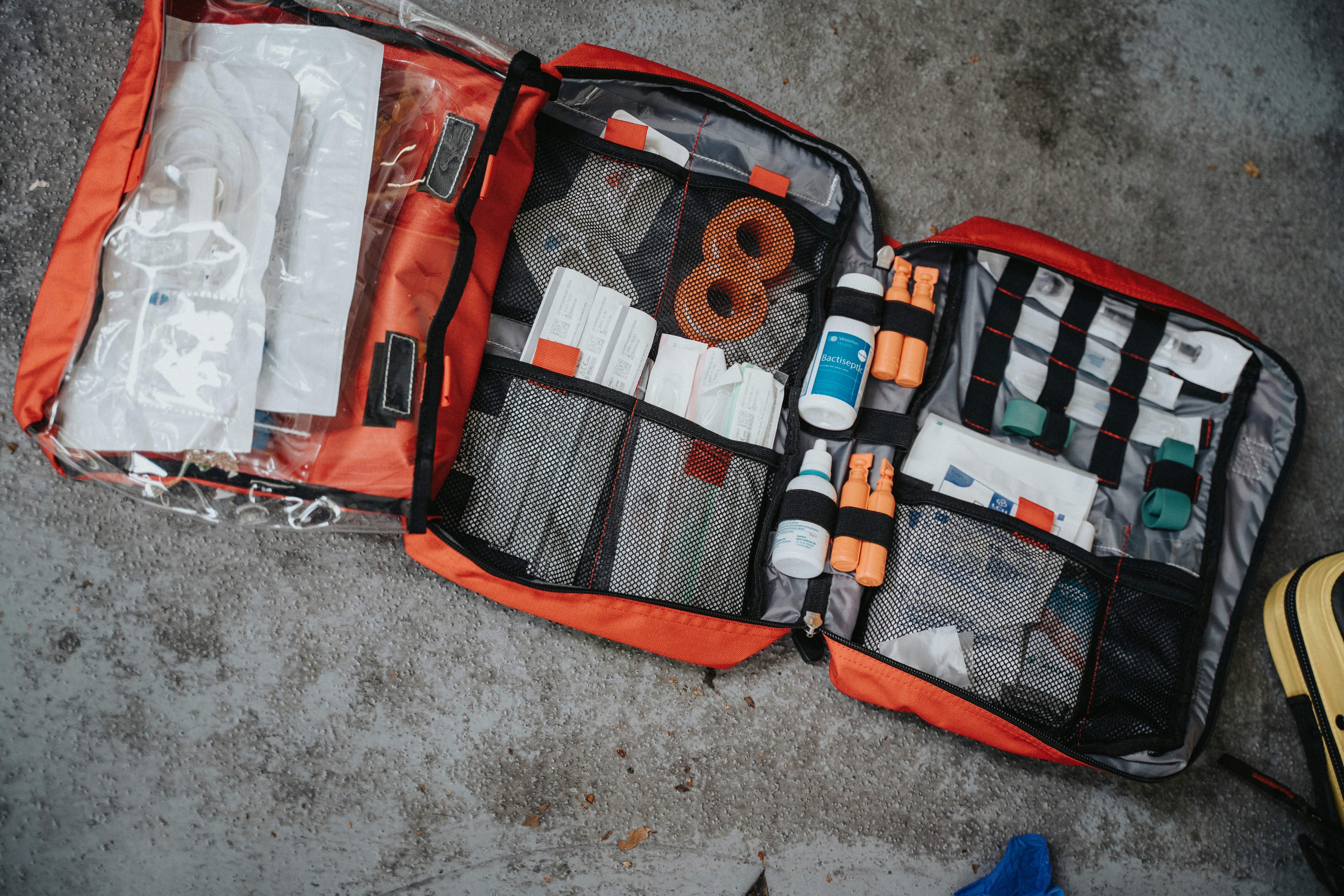
A compact first-aid section is essential. Plasters, antiseptic wipes, a small bandage, and pain relievers handle common minor injuries. This prevents small issues from becoming bigger ones.
A light source is another core item. A small torch or clip-on LED helps during power cuts, dark car parks, or evening commutes. Batteries should be checked monthly. Rechargeable options reduce long-term cost and maintenance.
For communication and navigation, carry a small power bank and charging cable. A phone becomes a lifeline in emergencies, but only if it has power. A minimalistic, durable power bank fits easily into any kit.
Finally, consider including a multi-tool, whistle, and a compact notepad. These items support problem-solving when your phone isn’t practical or available.
Platforms such as LA Police Gear offer dependable, field-tested gear that lasts under pressure. While you don’t need tactical equipment for everyday life, purchasing items designed for durability ensures your kit works when you need it most.
Make Mental Preparedness Part of the Kit
A safety kit isn’t only physical. Mental readiness matters just as much. Being able to assess a situation clearly, remain calm under stress, and make quick decisions is part of self-reliance.
Mental preparedness can be strengthened through:
- Basic first-aid training
- Familiarity with your equipment
- Knowing alternative routes during travel
- Practicing awareness in everyday environments
These skills empower you to use your kit effectively. Tools help, but mindset guides action.
Keep Your Kit Compact and Easy to Carry
A kit must be portable, otherwise it stays at home where it can’t help you. Choose a durable pouch or small organiser. Separate items into sections so you can access what you need without digging.
Keep weight low. Heavy kits become a nuisance and get left behind. Every item should earn its place by serving a clear purpose. Review the contents quarterly. Remove redundant items. Replace expired supplies. Adjust for seasonal needs such as sunblock in summer, hand warmers or a small foil blanket in winter.
The kit should adapt as your lifestyle evolves.
Integrate the Kit Into Your Routine
Preparedness only works when it becomes second nature. Keep your kit in the same place every day—your bag, vehicle, or a dedicated pocket. Make it part of your morning rhythm. Recharge the power bank weekly. Restock first-aid items as soon as you use them.
The goal is effortless reliability. You shouldn’t have to think about the kit. You should simply know it’s there.
Conclusion
Self-reliance is a daily practice, not an extreme mindset. A well-designed personal safety kit gives you confidence, reduces anxiety, and supports you during small disruptions or unexpected challenges. By choosing practical tools, maintaining mental readiness, and integrating your kit into your routine, you create a foundation of calm preparedness. It’s one of the most grounded, meaningful forms of self-care.