
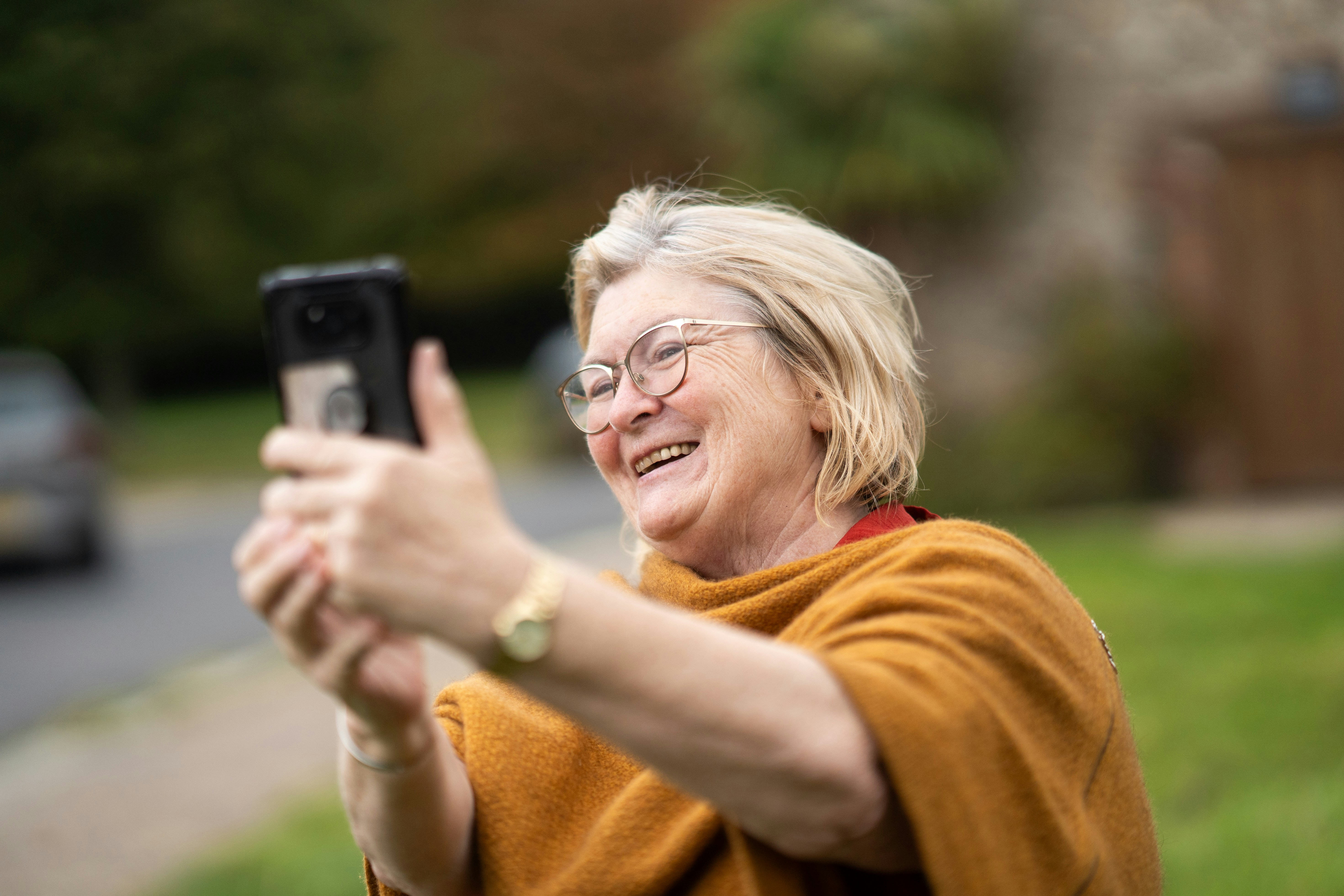
Safer, Not Slower: Why More Active Seniors Are Embracing Alert Devices
Wellness Includes Feeling Safe
If you’re a regular reader of drjemma.co.uk, you already understand wellness as something holistic. It’s not just about how your body feels, but how your day flows—how confident you feel doing everyday things, and how secure you are when doing them alone.
Personal alert devices fit right into that picture. They’re not a symbol of dependence—they’re a form of self-care. They offer quiet reassurance for the solo traveler, the rural walker, or the early riser tending a garden before the neighbors are awake.
The idea is simple: you keep living the way you want, and the system is just… there. Ready, if ever needed.
Why Active Seniors Are Opting In
Here’s the shift: more older adults are getting these devices before something happens. Why?
- Because they still live alone—but love it that way.
- Because they’re out and about more than ever.
- Because they’re not “old”—they’re just smart about risk.
This isn’t about giving up control. It’s about keeping it. Fall detection, GPS, and instant response give users a subtle safety net that empowers them to say yes to more, not less.
What Modern Alert Devices Actually Offer
Today’s personal safety systems are lightyears ahead of the clunky versions most people remember. Common features include:
- Automatic fall detection, even if the wearer can’t press a button
- Two-way voice communication, so help can talk to you directly
- Waterproof designs for use in showers—where many falls happen
- Mobile coverage, working wherever there’s signal, not just at home
- Sleek, comfortable wearables like pendants and wristbands
They’re discreet, simple, and designed to blend in with your lifestyle—not interrupt it.
You Don’t Need to “Look” Like You Need One
Let’s be honest: no one wants to wear a badge that says, “I might fall.” But modern alert devices don’t do that. They look like fitness trackers or necklaces. Some are even customizable to match personal style.
And more importantly? They flip the script. Wearing one says, “I value myself enough to plan ahead.” That’s not weakness—it’s confidence.
It’s a Wellness Tool, Not a Medical One
Wellness isn’t just about reacting to problems. It’s about building systems that support your whole life—mind, body, and lifestyle.
That’s what alert devices do. They’re not about illness. They’re about options. They let you walk the extra mile, try the new class, or stay in your own home longer—all while knowing someone’s got your back.
What Families Appreciate
These devices aren’t just for the wearer. For adult children or partners who worry—especially from a distance—they offer peace of mind that doesn’t rely on constant phone calls or daily check-ins.
In fact, many seniors choose to wear them not because they feel worried, but because they know it helps their loved ones worry less.
It’s a small gesture that carries a lot of weight.
Three Everyday Scenarios That Show the Value
- On a country walk: You trip over uneven ground and can’t move easily. No phone? No problem—the fall detection has already triggered help.
- In the shower: You slip, can’t stand, and don’t have your mobile nearby. A waterproof pendant connects you to assistance in seconds.
- At a local café: You suddenly feel dizzy and disoriented. One button, and a responder talks to you through your wristband and sends help to your exact GPS location.
These aren’t dramatic events—they’re everyday risks. And the best part? They don’t have to stop you from doing what you love.
What to Look For in a Provider
Not all systems are built equally. When choosing a provider, look for:
- Fast response times (under 30 seconds is ideal)
- Live agents trained to handle medical and non-medical situations
- Coverage that includes outdoor and travel-friendly use
- Transparent pricing, with no sneaky contracts
- Long battery life, because charging every day is a hassle
The right provider doesn’t just offer tech—they offer support. They understand that you want safety to be simple, not stressful.
You’re Not Slowing Down—You’re Leveling Up
Think of this the way you’d think about putting a smoke detector in your home or installing motion lights outside. It’s not because you’re afraid—it’s because you’re thoughtful.
An alert system doesn’t tell the world you’ve stopped moving. It tells the world you plan to keep moving, confidently, for years to come.
And that’s something worth investing in.
Here’s a concise FAQ section you can add to the end of the article to reinforce key points and improve reader clarity. It maintains the friendly, informative tone consistent with drjemma.co.uk:
FAQ: What Active Seniors Want to Know About Alert Devices
Q: Do I really need one if I’m healthy and active?
Absolutely not because you’re unhealthy—but because you’re smart. Think of it as a backup, like insurance. You may never need it, but it’s there if something unexpected happens during a walk, trip, or even at home.
Q: Will it make me look “old” or frail?
Not at all. Modern devices are sleek and subtle—many look like fitness trackers or jewelry. Most users say no one even notices they’re wearing one.
Q: What happens if I press the alert button by mistake?
No worries. Most systems allow you to cancel immediately. And if it goes through, trained staff will check in to confirm whether help is needed—no judgment, no stress.
Q: Can I take it outside the house?
Yes! The best devices use GPS and mobile networks, so they work while walking, traveling, or running errands. Just be sure your provider offers nationwide or international coverage if you travel often.
Q: Is it expensive?
Many providers offer affordable monthly plans, especially compared to the cost of in-home care or emergency response delays. It’s worth checking with a trusted senior alert provider to find the right option for your lifestyle and budget.
Final Thought: It’s Your Life—This Just Helps You Live It
Living well isn’t about denying risks. It’s about being prepared for them. Whether you’re still working part-time, exploring new hobbies, or simply enjoying quiet, independent days, a personal alert device can help you do it all—without second-guessing your safety.
Because you don’t need to slow down to be safe.
You just need the right tools.