
6 Gas Safety Tips for Your Glazed Kitchen Extension
Before this incident, we took gas safety for granted. This incident was an eye-opener for us. From that moment, we promised ourselves that we would not take gas safety measures for granted.
Moreover, we also think it’s an obligation to let people know about the importance of gas safety. Nowadays, every person thinks of home extension to increase space and add value to their property, and kitchen extensions are the icing on the cake as they beautify your home.
Why Gas Safety?
Whether you are extending your bedroom, kitchen, or conservatory, gas safety is the most important thing to keep in mind. Gas appliances are everywhere and are considered a necessary part of every home, so taking proper safety measures can save you from accidents.
There are many risks associated with unchecked gas appliances. It can lead to carbon monoxide poisoning, gas leaks, fires, and explosions. To save yourself from gas hazards, it’s extremely important to enlist a gas-safe registered engineer to perform the necessary inspections and obtain gas certificate.
We have found the six main gas safety tips for your glazed kitchen extension that will prove to be beneficial for you and your family members. Let’s dig into it:
-
Develop a Culture of Safety in the Kitchen
Make sure that there is general safety culture in the home. You can achieve that by hiring a gas-safe registered engineer for this. Read the instructions provided by the engineer and adhere strictly to the safety guides and precautions prescribed for all kitchen appliances, especially the gas cooker and cylinder.
Moreover, attach a reading list on all the important appliances and keep a record with you. It will help in noticing anything abnormal in your kitchen.
-
Keep Your Gas Appliances Well Maintained
Gas appliances are a basic and important part of every home. Gas appliances should be checked and serviced at least once a year unless otherwise specified by the gas safe registered engineer.
This process will include a range of tests and checks to ensure that the appliance is operating safely. Other than this, it’s a good practice to deep clean your gas appliances once a month. Keep your gas stove away from water.
-
Never Take Any Case of Gas Leak Lightly
Gas leaks can burn down any home, orangery, or conservatory in seconds. Don’t take it for granted if you ever smell or sense a gas leakage in your kitchen. Open all the windows immediately to ensure proper ventilation.
After that, try to find the source of leakage as soon as possible and fix it. Never light a match or anything that can catch fire during this process. Contact the emergency service provider at the earliest.
-
Ensure Adequate Ventilation
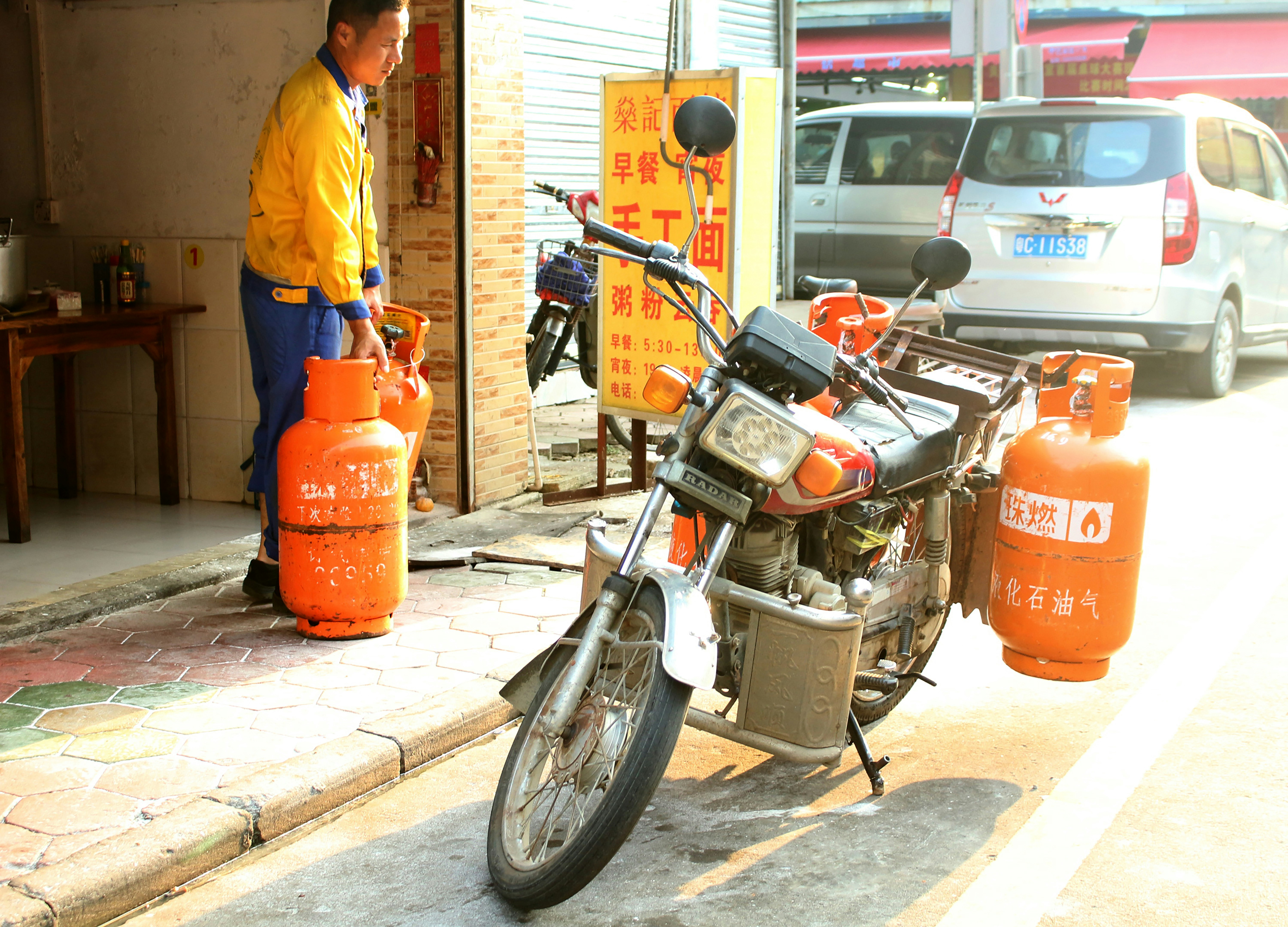
Ventilation is very important for your kitchen. It can help extract gas if there’s a gas leakage in your kitchen. Store gas cylinders upright in a well-ventilated area away from open flames, power outlets, and electrical appliances.
We advise you to keep your kitchen windows open while using any gas appliance in the kitchen. Apart from that, keep the instruction form in front of you provided by the gas safe registered engineer.
-
Stay Extra Cautious While Cooking
Gas appliances are mainly used while you are cooking in the kitchen. Do not sit or stand too close to the cooker or boiler while in use, as this can be hazardous or result in gas burns.
Moreover, make sure that burners that are not in use are turned off. For this, check twice, so you are satisfied with it.
-
Light the Fame Before Switching on the Gas
It’s a good practice to light your match, lighter, or any other source of flame or spark first before you turn on the gas in your kitchen. Doing this will make the process faster, and accidents can be avoided.
-
Do not Shake the Gas Cylinder
Most people shake the cylinder to determine how much gas is in it. It leads to the risk of an explosion. Note reading on the cylinder to find out the amount of gas left in the cylinder to avoid it.
The gas safe registered engineer will provide you with the readings; you must strictly follow them.
What is the Cost of a Gas Certificate?
The average price for getting a gas certificate is between £50- £100+. The cost of the certificate varies according to the location, type of property, and the number of appliances.
You can get a gas safety certificate by appointment with a gas-safe engineer. After the engineer is done with the inspection, you will receive the certificate.
Gas Appliances Safety Checks
Safety checks can vary; however, the gas safe registered engineer chooses the method to find out if the appliance is safe to operate. Safety checks involve testing of the following.
- Is it stable?
- Has it been set the right way?
- Is the gas-burning correctly?
- Is it suitable for the room it’s housed in?
- Is there an adequate and permanent air supply?
- Are the flues or chimneys operating correctly?
Conclusion
If you take care of the gas safety measures, it will save you from disasters. The gas appliances are increasing daily, and every added appliance increases the risk factor.
However, if you manage to find a trustworthy and qualified gas safe registered engineer, you are in safe hands. He will guide you from scratch until you are satisfied.
Gas safety measures are not taken seriously. We have contributed with major tips that will help you get safe from accidents. If you still need assistance, feel free to reach out. Let us know about your feedback. Thank you so much for your time.